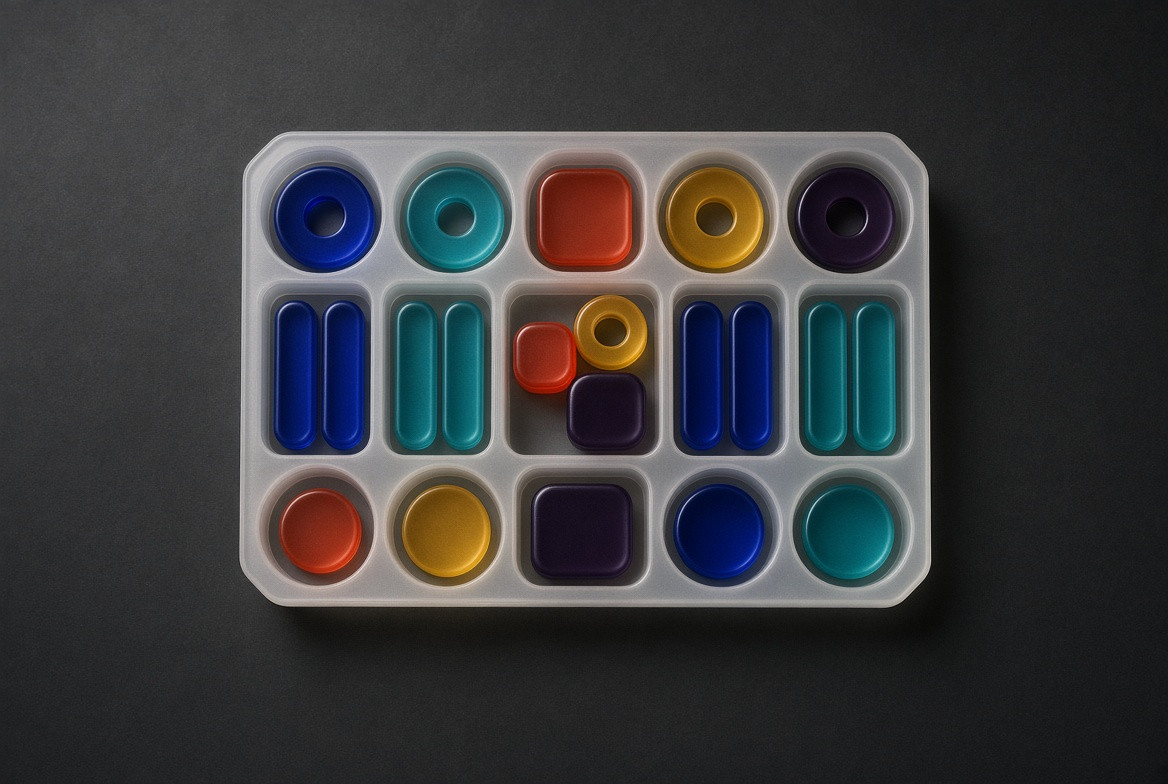
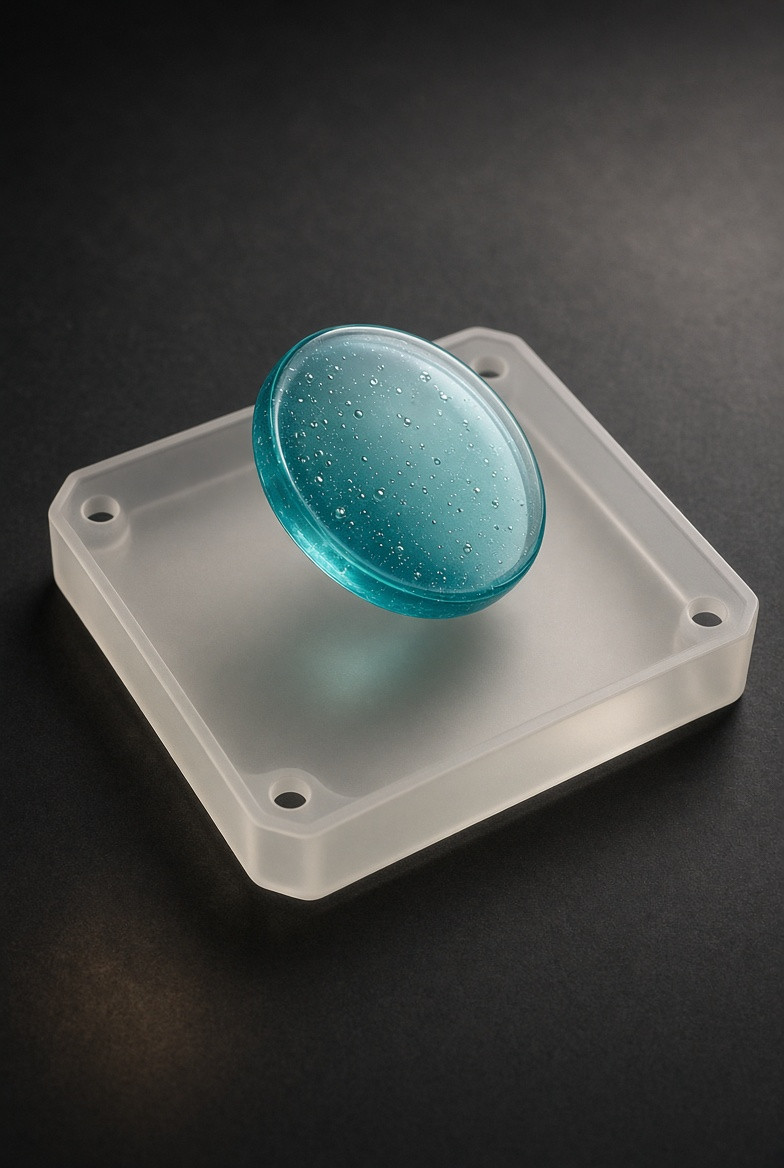
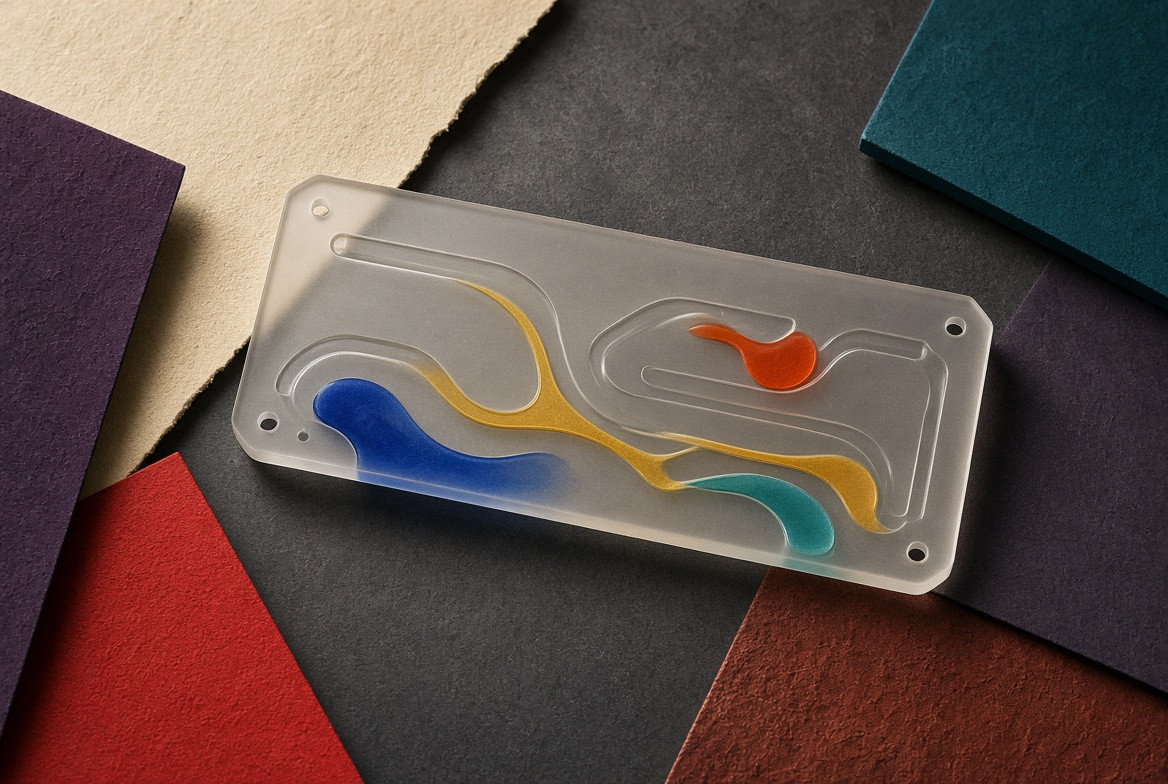
An unsorted translucent resin object under instructional studio light

Receiving deck / independent editorial app

Good
Next

A wish to help is a beginning. Fit, condition, context, consent, and a clean exit make the next step usable.

See the transfer line
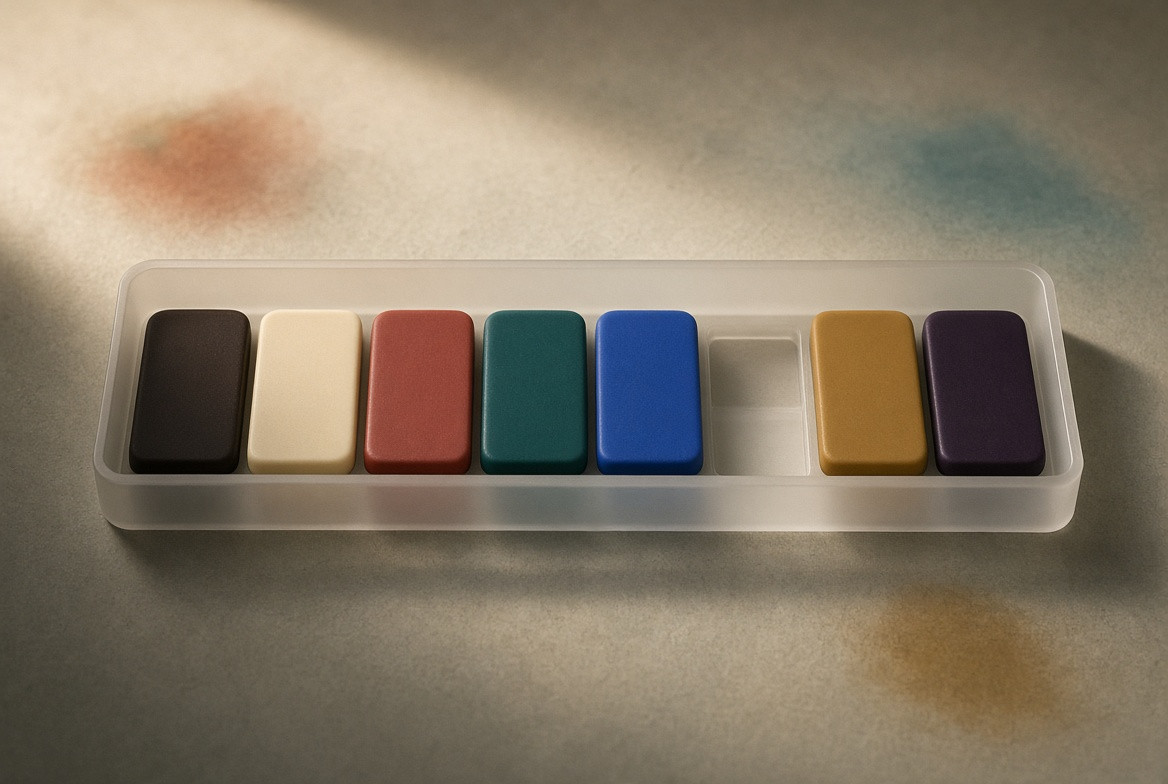
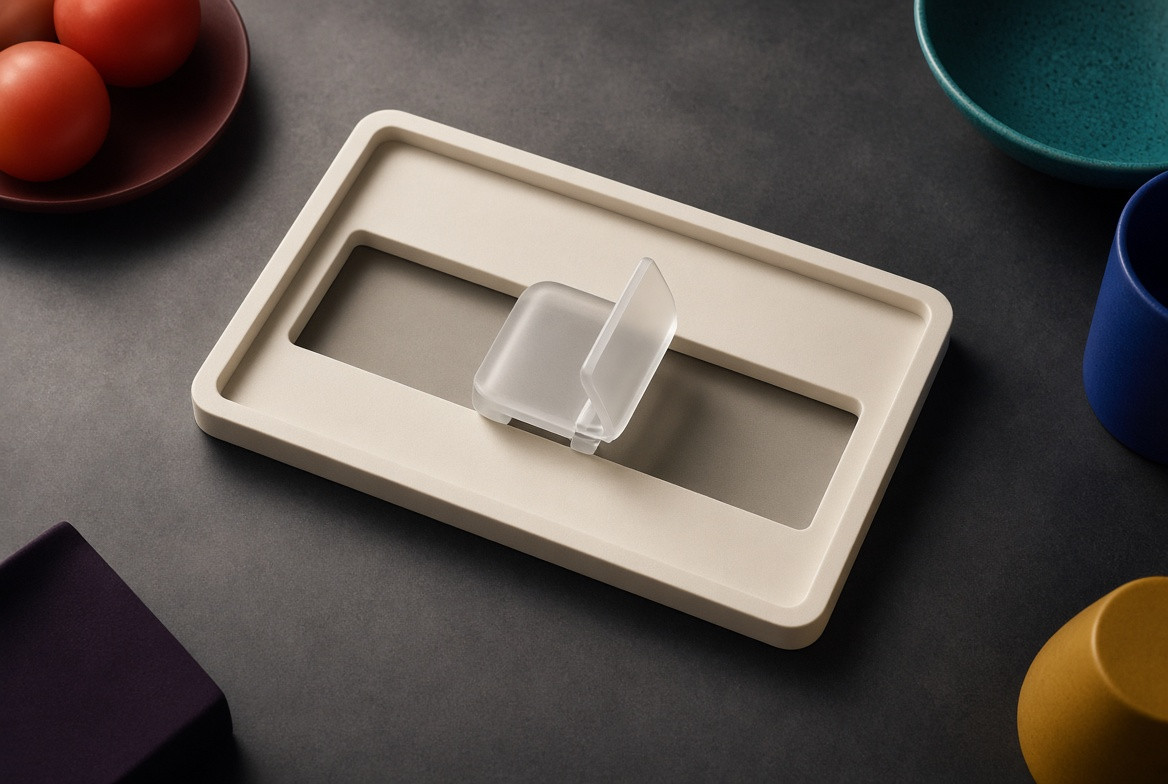
An empty receiving slot
01 · Leave the slot empty until the fit is understood
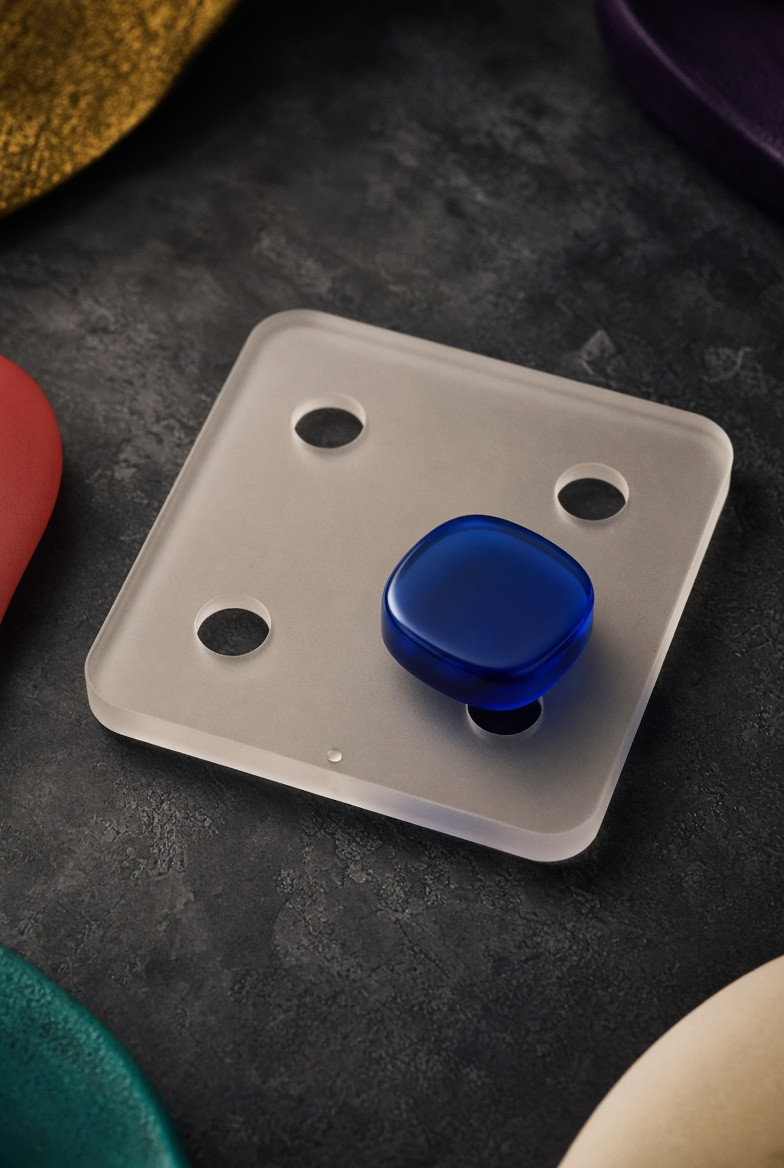
A hand pausing before placing a token into a slot
02 · Pause before an offer becomes pressure
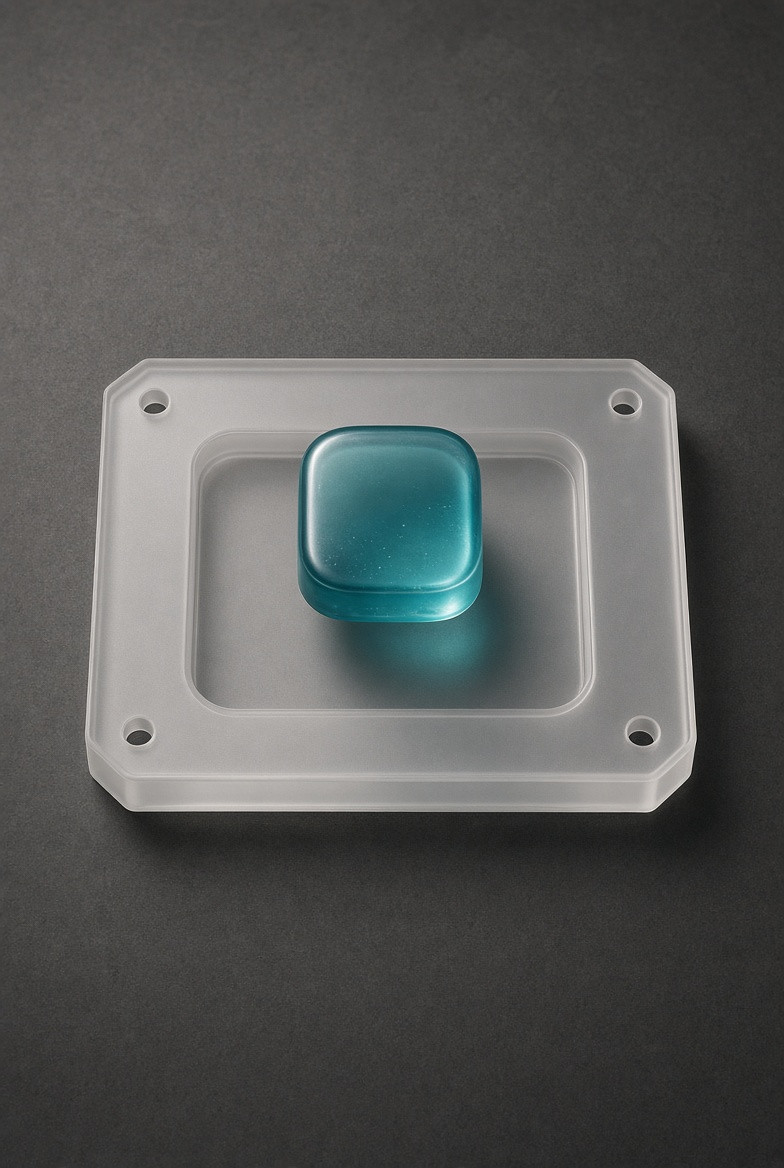
Four empty frosted acrylic phase trays
03 · Make the middle visible

The interaction

One object.
Four trays.

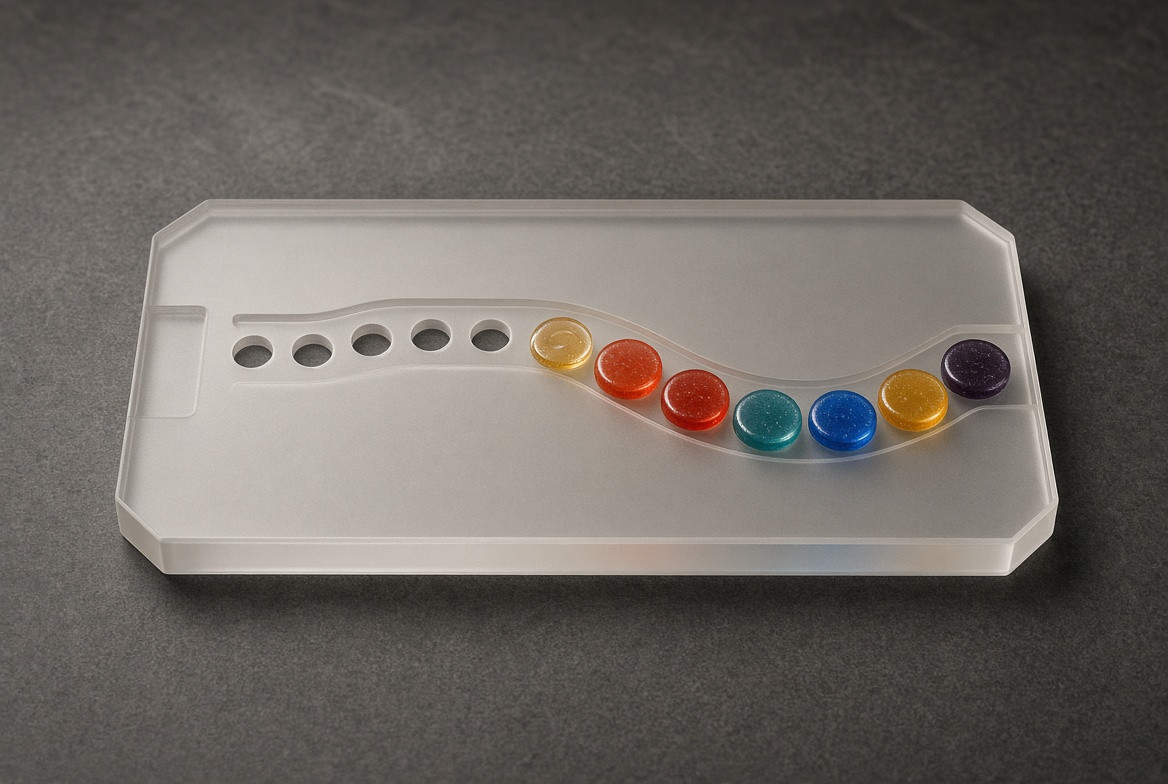
The Android app opens on a Receiving Deck of twenty ordinary object families. Select a photographic resin token and feed it through NOTICE, SORT, PACK, and HAND OFF. Each tray changes both the image and the cue. Complete all four to file a compact local dispatch ticket—no story, identity, or request form required.

A

Fit before motion

Useful is personal.

A warm layer, a route, a cable, or a hygiene item can be clean and well meant yet still be the wrong size, format, timing, material, weight, or level of privacy.

  • Ask before selecting.
  • Keep uncertain details visible.
  • Protect an easy no.
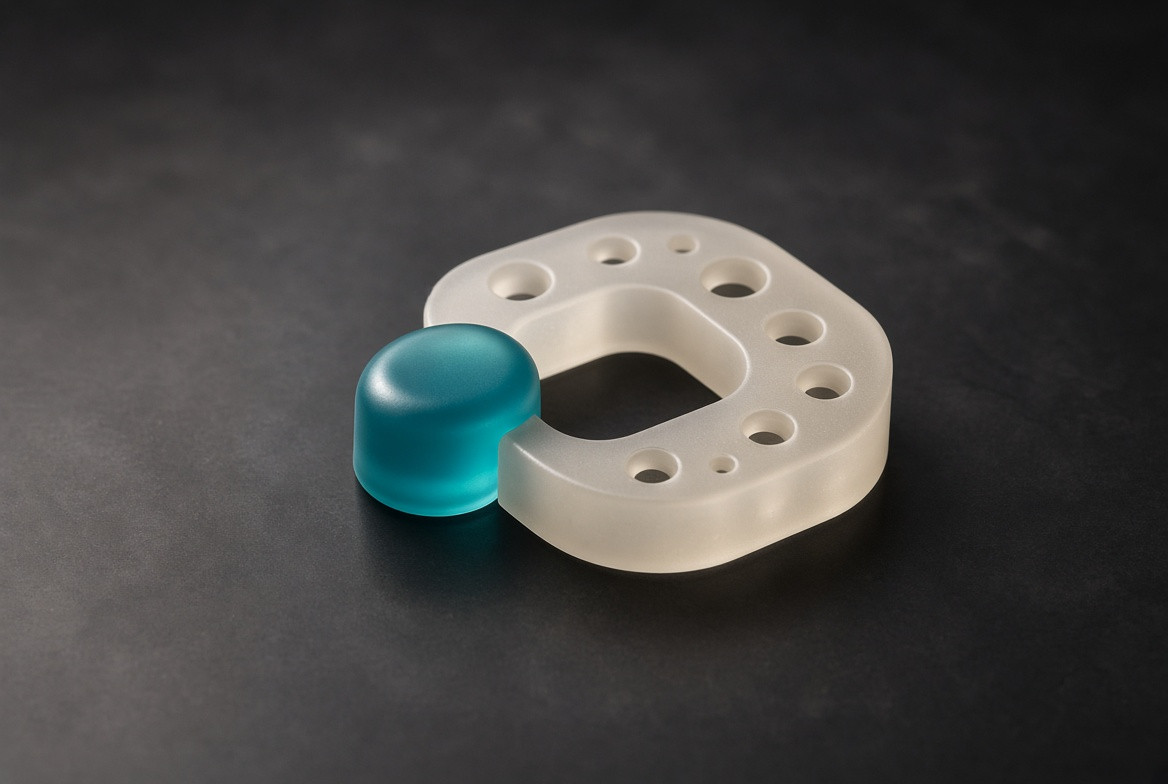
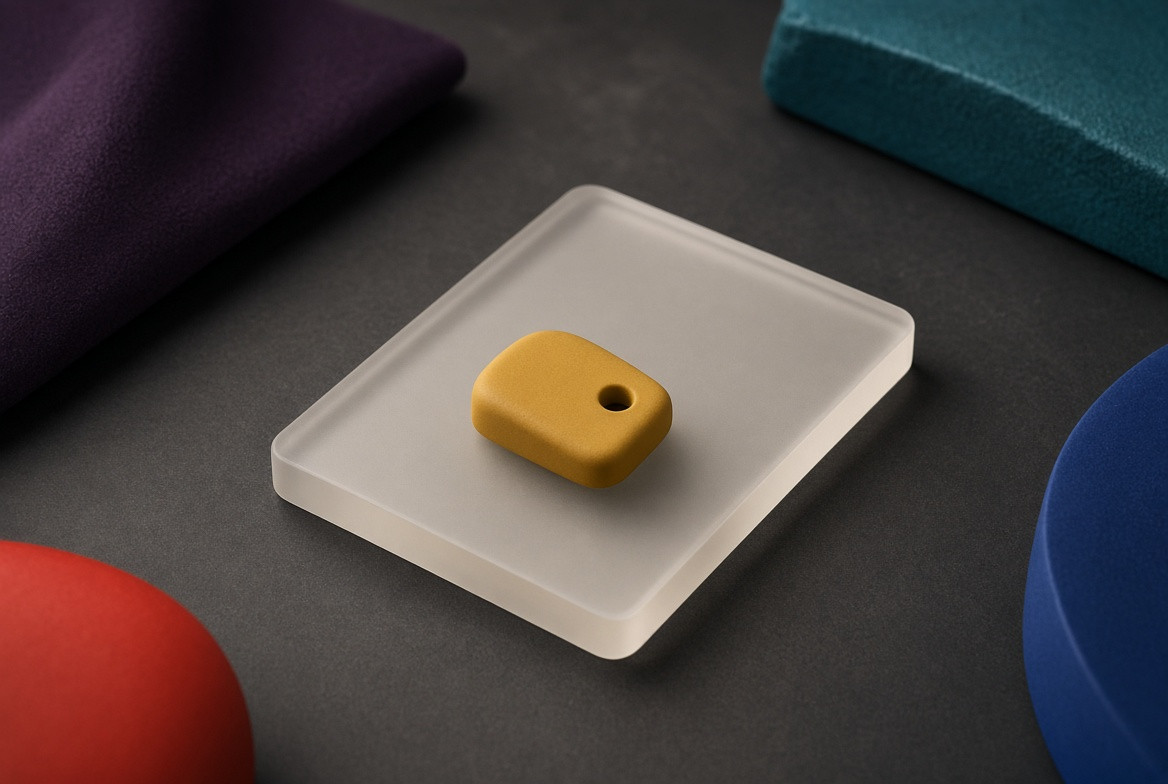
A fit token beside a translucent measuring ring
Fit belongs to the receiver
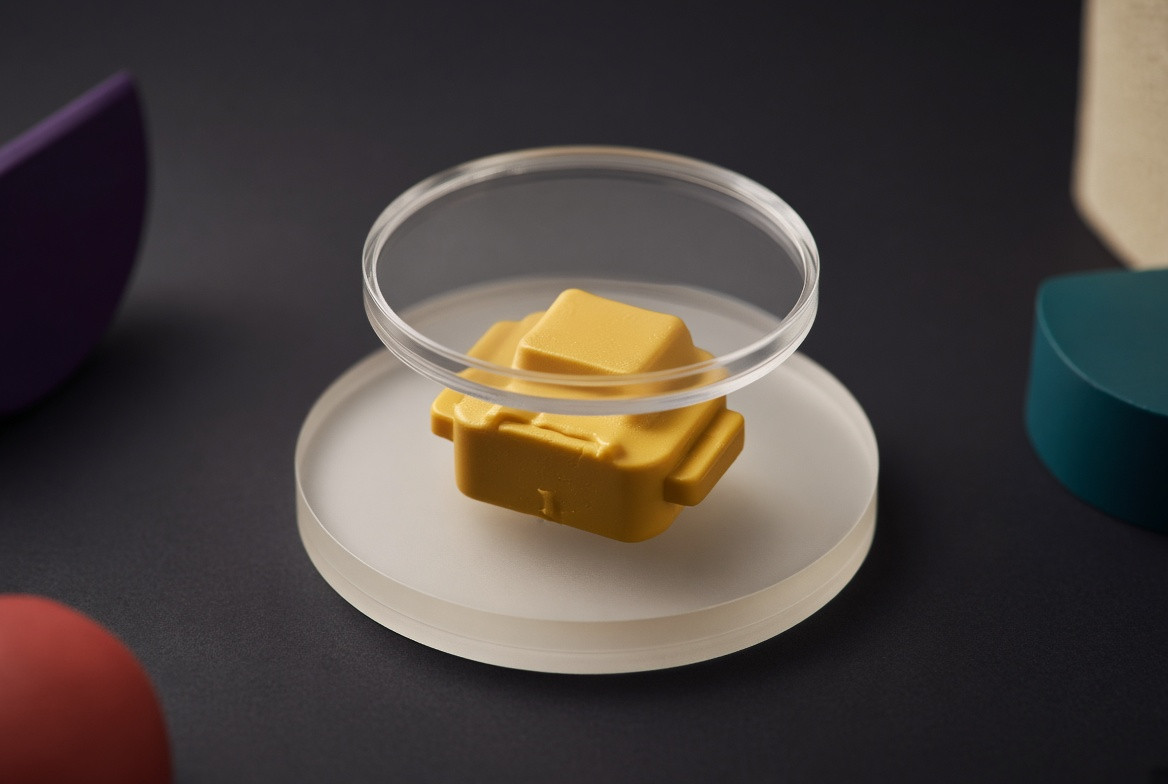
An ordinary object inspected for condition under a magnifier
Condition travels with the object
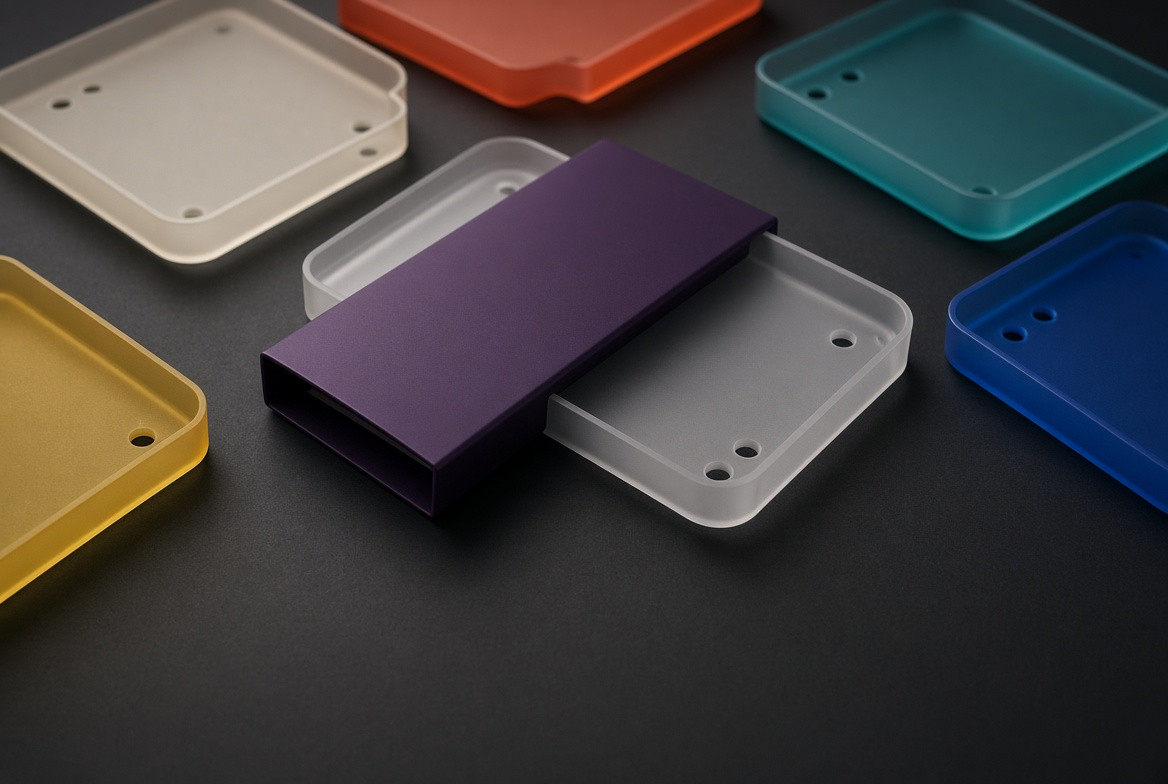
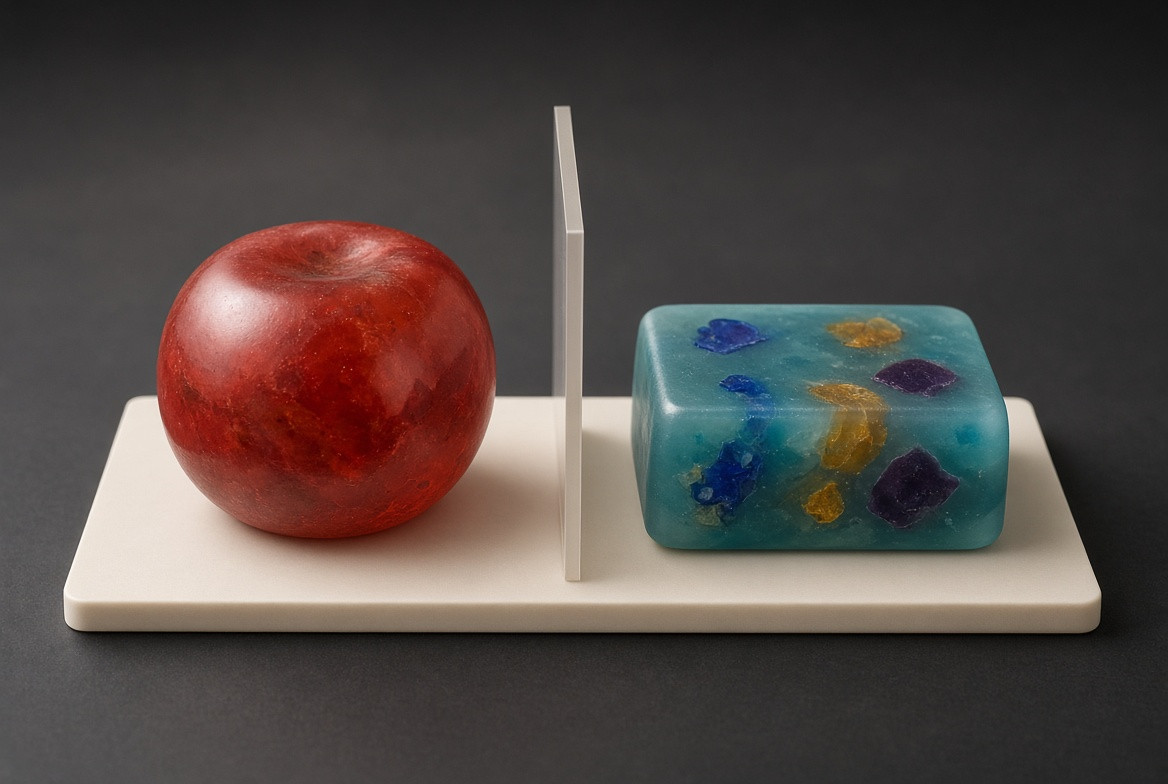
An opaque privacy sleeve among clear trays
Reveal only what the next step needs
A consent gate deliberately left open
Consent includes a clean exit
B

Context before completion

Pack the information too.

A handoff loses quality when the object arrives without compatibility, ownership, condition, safe handling, return expectations, or the limits of what is known.

  • Keep labels and confirmed facts intact.
  • Separate damaged or unknown pieces.
  • Return tools, originals, and control.
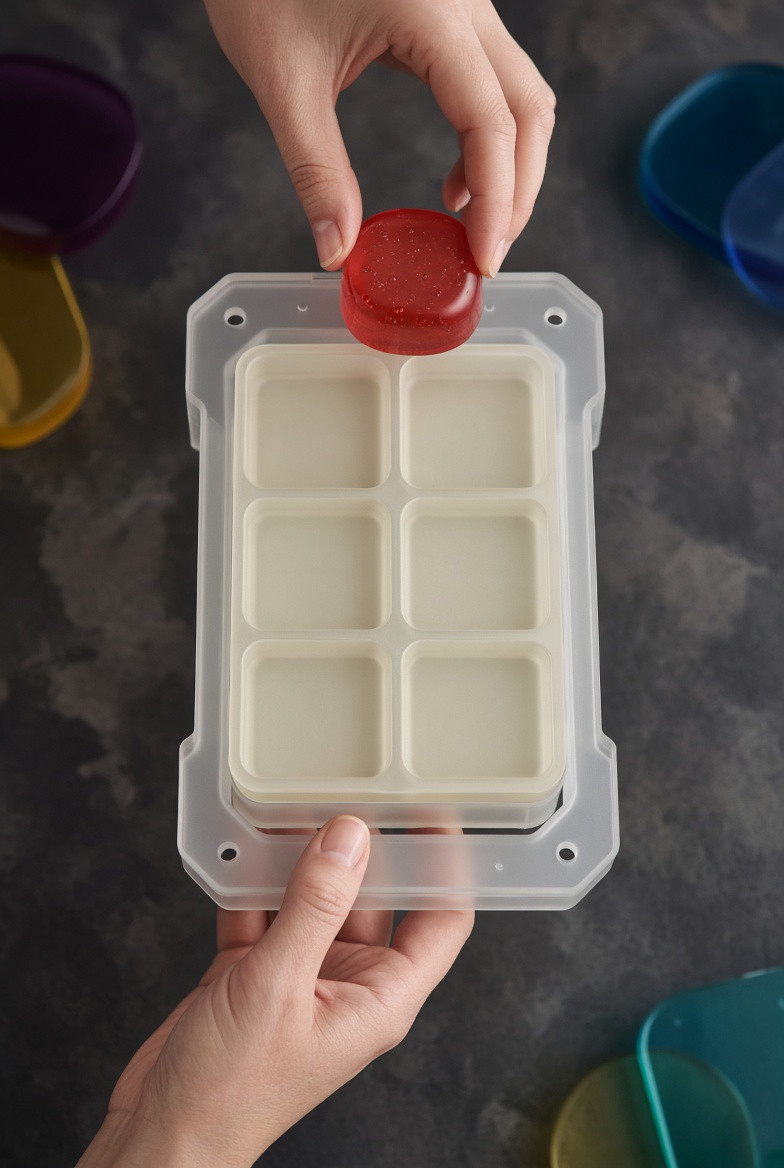
Compatible parts sorted into a frosted tray
Compatibility before convenience
An intact label beside its matching container
Keep condition and label together
A clean packing boundary between ordinary items
A boundary can prevent a new problem
A simple unbranded return marker
Ownership remains visible

The transfer line

Feed the middle.

The sequence is not a service workflow. It is a way to inspect an ordinary handoff before acting: observe, separate, prepare, then release control.

A resin token entering the NOTICE tray

Notice

Observe the actual fit before reaching for a solution.

A resin token crossing the SORT tray

Sort

Separate what is known, suitable, safe, and owned.

An ordinary object settling into the PACK tray

Pack

Prepare only what can travel clearly and responsibly.

The HAND OFF tray held open

Hand off

Pass context and preserve an easy choice.

The payoff

A ticket,
not a case file.

After all four trays are visited, Good Next can file a dispatch ticket containing only the chosen family and completed-stage state. Reopen it as a cue, remove it when it is no longer useful, or clear the rack.

There is no name, narrative, address, provider record, eligibility field, donation ledger, or promise of follow-up inside a ticket.

A complete translucent dispatch strip
An alternate route remaining available
An empty exit slot

Organization & editorial boundary

Lafond
Foundation

Public nonprofit records identify Lafond Foundation in Palmdale, California, under a broad human-services classification. The available record does not establish a reliable public catalog of current services, eligibility, beneficiaries, donation activity, contacts, programs, schedules, or outcomes.

Good Next does not fill that gap with claims. Its twenty families and four-stage transfer line are original editorial material for practicing ordinary handoff literacy; they are not presented as the foundation's official work.

The app is not a directory, request form, donation channel, eligibility checker, appointment or ride booking tool, case-management system, or emergency resource.

Inspect the privacy cabinet